fbpx

Why Silverton Mortgage

What We Offer

Silverton Secure

Send Your Loan Through Underwriting Before Finding a Property Lock In Your Rate and Shop with Security

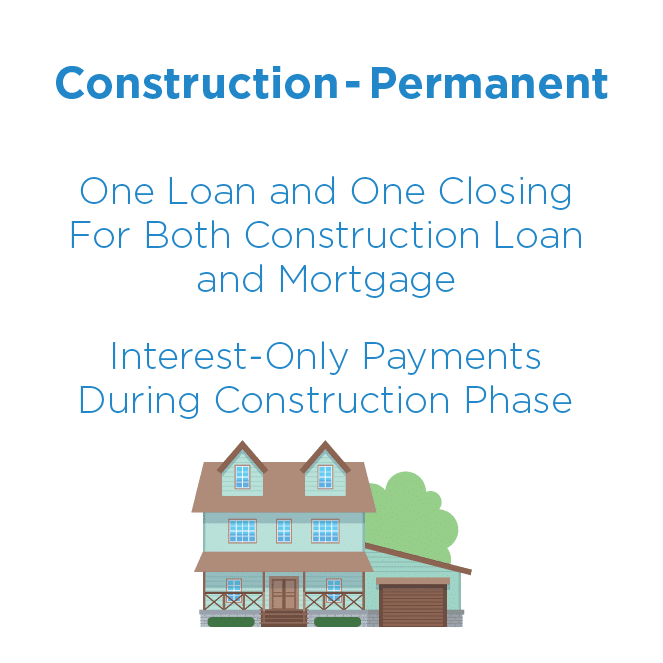
Construction-Permenant

One Loan and One Closing For Both Construction Loan and Mortgage Interest-Only Payments During Construction Phase

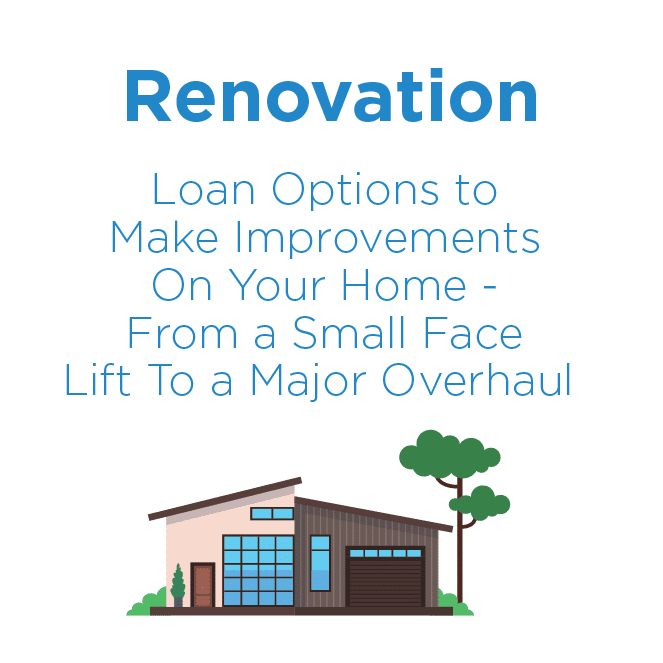
Renovation

Loan Options to Make Improvements On Your Home - From a Small Face Lift to a Major Overhaul

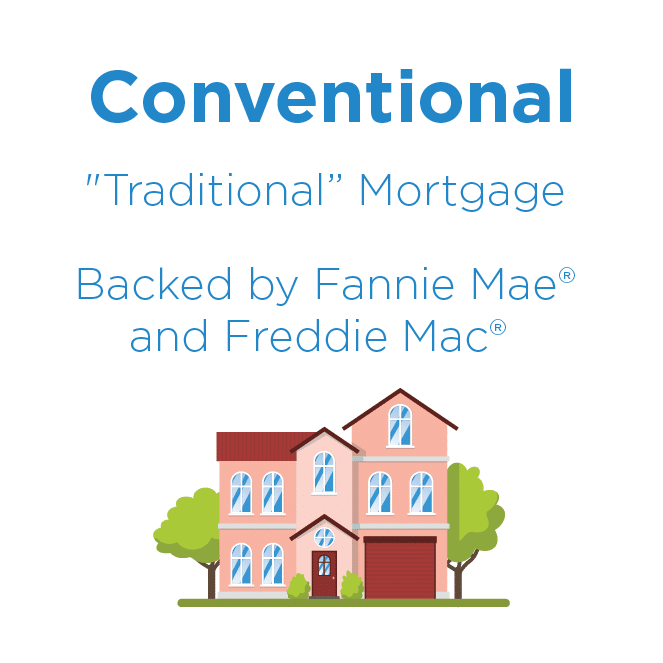
Convection

"Traditional" Mortgage Backed by Fannie Mae® and Freddie Mac®

FHA*

Credit Scores Down to 620 Low Down Payment Options

VA*

100% Financing Eligible Veterans and Active Duty Qualify

USDA*

Designed for Rural Areas 100% Financing

HomeReady® Mortgage

Low Down Payment Options No Minimum Borrower Contibution

Jumbo

Loans for Higher Value Properties Loan Amounts Up To $3 Million

Ready To Talk?

"*" indicates required fields

Client Reviews

"The process was easy. The staff were absolutely wonderful and made us feel like a part of something special and not just a dollar sign. We can't thank you enough!"
- Suanne on Heather Manuel
"Mark made our entire mortgage buying process very easy. He is easy to talk to and to work with to get things taken care of fast and effectively. He was the one who stepped up when we ran into a little trouble with the title company near closing, but he made it happen! Thanks mark! Ls up!"
- Amber on Mark Dietrich
"Working with Joe was a fantastic experience! He made the mortgage process smooth and stress-free, taking the time to explain every step and answer all of our questions. Joe was always responsive, professional, and genuinely cared about helping us secure the best possible loan. His expertise and dedication gave us confidence throughout the entire process. We’re so grateful for his support and highly recommend him to anyone looking for a trustworthy mortgage lender."
- Britton on Joe LaManna
"Absolutely — what made the experience great was the clear communication, responsiveness, and overall efficiency throughout the mortgage process. Every step was well explained, timelines were met, and I always felt supported. It was smooth, transparent, and far less stressful than expected. That level of service makes a huge difference."
- Sean on Jeff Day
"Kelley was in constant contact with us. Our questions were answered quickly and she was always pleasant on all communications. We enjoyed working with her."
- Linda on Kelley Hunt
"We had a very pleasant experience dealing with the mortgage process through Silverton mortgage . Maureen was very throughout and always responsive when we would have any concerns or questions Overall this was a great and easy experience with Maureen and Silverton Mortgage"
- Edith on Maureen Swindall
"Kathleen is the best! She really helped us navigate the first time home buying process so well and was very helpful in comparing all our options! She also accommodated us moving up closing and got everything done for us super quickly. We appreciate her so much!!"
- Ryan on Kathleen Carmical
"It was a great customer service experience. The team was friendly and responsive."
- Sonya on Justin Freeman
"My lender agent Robert was amazing, educative and patient. He also went above and beyond to make sure I got a better rate and get the grants provided by the city."
- Maureen on Robert Scholl
"What made it great was not having to go onto the office to sign papers. Signing was done via email. Everybody with Silverton Mortgage was so polite and courteous. Thank you Silverton Mortgage for making applying for a mortgage so simple and easy."
- Rusty on Stephanie Gant

How to Apply for Down Payment Assistance

If you decide that Down Payment Assistance is right for you, there are several ways to get started with the application process. Start by researching for programs offered through your state’s housing finance agency. At Silverton Mortgage, we offer several down payment assistance options. If you’d like to explore your options, contact us below.

FAQ

What is the difference between pre-qualified & pre-approved?

The terms “pre-qualified” and “pre-approved” often come up, and while they may sound similar, they represent distinct stages in the home financing journey. Pre-qualification is typically the initial step where a Loan Originator assesses your financial situation. This process is usually straightforward and can often be completed in a short time frame. During pre-qualification, the Loan Originator provides an estimate of how much you might be eligible to borrow.

On the other hand, pre-approval is a more formal and thorough process that follows pre-qualification. To achieve pre-approval, you must submit an application and provide documentation such as income statements, tax returns, and credit reports. The Loan Originator conducts a detailed analysis of this information, including a credit check, to determine the exact amount you qualify for. A pre-approval letter carries more weight and offers a stronger signal to sellers that a buyer is serious and capable of securing financing, often giving them an edge in competitive housing markets.

What factors affect my interest rate?

Several factors play a pivotal role in determining the interest rates you might encounter. One of the primary factors is the overall economic environment. When the economy is thriving, central banks may raise interest rates to keep inflation in check, resulting in higher borrowing costs. Conversely, during economic downturns, rates typically decrease to encourage spending and investment.

Another significant influence is your creditworthiness. Loan Originators assess your credit score and financial history to gauge the risk of lending to you. Those with higher credit scores typically receive more favorable interest rates, while individuals with lower scores may face higher rates to compensate for the increased risk.

Loan type and duration also impact interest rates. Secured loans, which involve collateral, usually offer lower rates than unsecured loans, due to the reduced risk. Additionally, shorter-term loans might come with lower rates compared to long-term loans, reflecting the uncertainty and potential for rate increases over time.

Lastly, market conditions and inflation expectations can lead to fluctuations in interest rates. If inflation is expected to rise, rates will be adjusted, impacting the cost of borrowing.

How can I lower my current interest rate?

Lowering your current mortgage interest rate can be a smart financial move that saves you significant money over the life of your loan. One effective strategy is to refinance your mortgage. By refinancing, you can secure a new loan with a lower interest rate, especially if market rates have decreased since you first obtained your mortgage. Consider improving your credit score before refinancing; a higher score often qualifies you for more favorable interest rates. This might involve paying down existing debts or correcting any errors on your credit report.

Another approach to consider is to reach out to your Loan Originator and express your desire for a better rate, especially if you’ve demonstrated a reliable payment history. You might also explore making a larger down payment or paying points upfront to lower your interest rate. While this requires a substantial initial investment, it can lead to substantial savings in the long run.

Lastly, consider the timing of your mortgage adjustments. Keeping an eye on economic trends and interest rate forecasts can position you to act when rates dip. By staying informed, you can strategically plan to lower your mortgage interest rate when conditions are most favorable.

As a first-time homebuyer, what do I need to know (about mortgages)?

A mortgage is essentially a loan specifically designed for purchasing real estate, and it typically comes with specific terms and conditions that dictate how long you have to repay the loan and the interest rate you’ll pay. One of the first steps is to familiarize yourself with the different types of mortgage loans available, such as fixed-rate, adjustable-rate, and government-backed loans like FHA or VA loans. Each type has its advantages and disadvantages, so it’s important to assess your financial situation and long-term plans before making a choice. Your Loan Originator can help with this!

Additionally, your credit score plays a significant role in determining the interest rate you’ll be offered. A higher credit score generally means better loan terms, while a lower score may lead to higher interest rates and additional costs. Therefore, it’s wise to review your credit report and take steps to improve your score, if necessary, before applying for a mortgage. Moreover, keep in mind that aside from the monthly mortgage payment, you’ll also need to factor in property taxes, homeowners’ insurance, and, in some cases, private mortgage insurance (PMI) if your down payment is less than 20%.

Finally, it’s important to get pre-approved for a mortgage. This involves your Loan Originator reviewing your financial situation to determine how much you qualify for. Pre-approval can not only help you understand your budget and what you can afford but also give you an edge in a competitive housing market, as sellers often prefer buyers who have secured financing.

What if I cannot put 20% down?

If you find yourself unable to put down 20% on a house, you’re not alone; this is a common challenge for many prospective homeowners. While a 20% down payment can help you avoid private mortgage insurance (PMI) and reduce monthly mortgage payments, there are alternative options that can still make homeownership attainable. There are programs that allow for considerably lower down payments, such as FHA loans, which can allow you to put down as little as 3.5%. This can be particularly advantageous for first-time buyers or those with limited savings.

Silverton Mortgage also has opportunities for Down Payment Assistance programs that can help you pay for your new home without breaking the bank. These programs come in diverse forms, with eligibility criteria that may differ depending on the specific program. Talk to your Loan Originator about your eligibility.

However, it’s essential to consider the implications of a lower down payment. As your down payment decreases, the amount you borrow increases, which may lead to higher monthly payments and the potential for PMI, an added expense that protects the lender in case of default. This insurance can significantly impact your budget, so it’s crucial to calculate all costs involved before making a decision. Additionally, a smaller down payment can result in higher interest rates, which may affect your overall financial situation over the life of the loan.

Despite these challenges, entering the housing market without a 20% down payment offers the chance of building equity and benefiting from potential property appreciation. It might also incentivize you to examine your finances more closely, setting you on a path to financial literacy and increased responsibility.

I am a little confused about the process, can I speak with a Loan Originator?

If you’re considering purchasing a new home or refinancing your current mortgage, there’s no better time to speak with one of our experienced Mortgage Loan Originators. Our team is dedicated to guiding you through the complex world of mortgage lending, simplifying the process, and answering any questions you may have. Whether you’re a first-time homebuyer or looking to take advantage of lower interest rates, our Loan Originators will work closely with you to understand your unique financial situation and goals. They can help you explore various loan options, explain the benefits of each, and ensure you find the best fit for your needs!

The Silverton Foundation

The Silverton Foundation’s mission is to provide a mortgage and rent assistance program to help reduce financial and emotional burdens for families with critically ill children, allowing parents to focus on their child’s health. Our goal is that when their child is ready to return after the crisis, their home and loved ones are waiting.
Learn More